Electric Vehicle Sales Surge in India: Market Trends, Top Models, and What's Coming in 2026
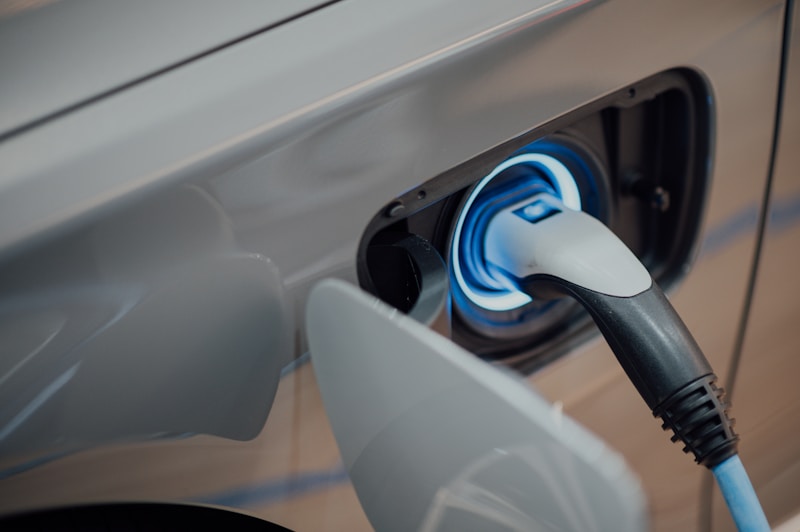
India's EV revolution is accelerating with record sales and new launches. Complete guide to the best electric cars, two-wheelers, and the road ahead.
India's electric vehicle market has hit an inflection point. With sales crossing 1.5 million units in 2025 and ambitious new launches planned, 2026 is shaping up to be the year EVs go mainstream. Here's everything you need to know.
Market Overview: 2025 Performance
| Segment | Units Sold | Growth YoY |
|---|---|---|
| Electric 2-Wheelers | 11,50,000 | +52% |
| Electric Cars | 1,20,000 | +68% |
| Electric 3-Wheelers | 2,80,000 | +35% |
| Electric Buses | 8,500 | +85% |
| Total | 15,58,500 | +48% |
EV Penetration Rate:
- Two-wheelers: 5.8% (up from 3.8%)
- Cars: 3.2% (up from 1.9%)
- Three-wheelers: 12.5%
Top-Selling Electric Cars in India (2025)
| Rank | Model | Units Sold | Price Range |
|---|---|---|---|
| 1 | Tata Nexon EV | 42,000 | ₹14.5-19.5 lakh |
| 2 | MG ZS EV | 18,500 | ₹18.9-25.5 lakh |
| 3 | Tata Tiago EV | 28,000 | ₹8.5-12 lakh |
| 4 | Mahindra XUV400 | 22,000 | ₹15.5-20 lakh |
| 5 | BYD Atto 3 | 8,200 | ₹24-34 lakh |
| 6 | Tata Punch EV | 18,500 | ₹10.9-14.5 lakh |
| 7 | Hyundai Ioniq 5 | 4,800 | ₹44.9-50 lakh |
| 8 | Kia EV6 | 3,200 | ₹60-65 lakh |
Best Electric Cars by Category
Budget Segment (Under ₹15 Lakh)
1. Tata Tiago EV - ₹8.49-11.99 Lakh
- Range: 315 km (MIDC)
- Battery: 24 kWh
- Charging: 0-80% in 57 min (DC)
- Best for: City commuters, first-time EV buyers
2. Tata Punch EV - ₹10.99-14.49 Lakh
- Range: 421 km (Long Range)
- Battery: 35 kWh
- Ground clearance: 190mm
- Best for: SUV lovers on budget
3. Citroen eC3 - ₹11.5-13.5 Lakh
- Range: 320 km
- Battery: 29.2 kWh
- Unique French design
- Best for: Style-conscious buyers
Mid Segment (₹15-25 Lakh)
1. Tata Nexon EV - ₹14.49-19.49 Lakh
- Range: 465 km (Max variant)
- Battery: 40.5 kWh
- 5-star safety rating
- Best for: Family buyers wanting range
2. Mahindra XUV400 - ₹15.49-19.99 Lakh
- Range: 456 km
- Battery: 39.4 kWh
- Coupe SUV styling
- Best for: Mahindra loyalists
3. MG ZS EV - ₹18.98-25.5 Lakh
- Range: 461 km
- Battery: 50.3 kWh
- Feature-loaded
- Best for: Tech enthusiasts
Premium Segment (₹25-50 Lakh)
1. BYD Atto 3 - ₹24.99-33.99 Lakh
- Range: 521 km
- Battery: 60.4 kWh
- Blade battery (safest)
- Best for: Range anxiety sufferers
2. BYD Seal - ₹41-53 Lakh
- Range: 580 km
- 0-100 kmph: 3.8 sec
- Premium sedan
- Best for: Performance seekers
3. Hyundai Ioniq 5 - ₹44.95-50 Lakh
- Range: 631 km
- 800V architecture
- V2L capability
- Best for: Early adopters
Luxury Segment (₹50 Lakh+)
1. Kia EV6 - ₹60.95-65.95 Lakh
- Range: 708 km
- 0-100 kmph: 5.2 sec
- 800V fast charging
- Best for: Luxury EV seekers
2. BMW iX - ₹1.2-1.4 Crore
- Range: 630 km
- Futuristic design
- Ultimate luxury
- Best for: BMW enthusiasts
3. Mercedes EQS - ₹1.55-2.45 Crore
- Range: 770 km
- Hyperscreen dashboard
- Pinnacle of luxury
- Best for: Statement makers
Top Electric Two-Wheelers
| Model | Price | Range | Top Speed |
|---|---|---|---|
| Ola S1 Pro | ₹1.40 lakh | 181 km | 120 kmph |
| Ather 450X | ₹1.55 lakh | 150 km | 90 kmph |
| TVS iQube | ₹1.20 lakh | 145 km | 82 kmph |
| Bajaj Chetak | ₹1.50 lakh | 137 km | 73 kmph |
| Vida V1 Pro | ₹1.45 lakh | 165 km | 80 kmph |
Upcoming EV Launches in 2026
| Model | Expected Price | Expected Launch |
|---|---|---|
| Maruti eVX | ₹15-20 lakh | Q2 2026 |
| Tata Curvv EV | ₹18-24 lakh | Q1 2026 |
| Hyundai Creta EV | ₹20-25 lakh | Q2 2026 |
| Mahindra XUV.e8 | ₹25-35 lakh | Q1 2026 |
| Mahindra BE.05 | ₹18-25 lakh | Q3 2026 |
| Toyota bZ4X | ₹50-60 lakh | Q2 2026 |
| Tata Harrier EV | ₹25-35 lakh | Q4 2026 |
Charging Infrastructure Status
Public Charging Stations (Jan 2026):
- Total: 18,500+ stations
- DC Fast Chargers: 6,200+
- Growth: 145% YoY
Major Networks:
| Network | Stations | Coverage |
|---|---|---|
| Tata Power | 4,500+ | Pan-India |
| EESL | 2,800+ | Government locations |
| Ather Grid | 1,800+ | Major cities |
| ChargeZone | 1,500+ | Metros |
| Statiq | 1,200+ | North India |
Highway Coverage:
- Delhi-Mumbai: 45 fast chargers
- Delhi-Jaipur: 12 fast chargers
- Mumbai-Pune: 18 fast chargers
- Bangalore-Chennai: 22 fast chargers
Cost of Ownership Analysis
Tata Nexon EV vs Nexon Petrol (5-Year TCO)
| Cost Component | Nexon EV | Nexon Petrol |
|---|---|---|
| Purchase Price | ₹17 lakh | ₹12 lakh |
| FAME Subsidy | -₹1.5 lakh | N/A |
| State Subsidy | -₹1 lakh | N/A |
| Road Tax | ₹0 | ₹1.2 lakh |
| Insurance (5yr) | ₹80,000 | ₹1.2 lakh |
| Fuel Cost (75,000km) | ₹90,000 | ₹6.75 lakh |
| Service Cost (5yr) | ₹25,000 | ₹80,000 |
| Net Cost | ₹15.45 lakh | ₹21.95 lakh |
Savings with EV: ₹6.5 lakh over 5 years
Government Incentives
Central (FAME-III):
- Demand incentive: ₹15,000/kWh (cars)
- Max cap: ₹1.5 lakh per vehicle
- Valid till: March 2027
State-wise Additional Benefits:
| State | Subsidy | Road Tax |
|---|---|---|
| Delhi | ₹1.5 lakh | Exempted |
| Maharashtra | ₹1 lakh | Exempted |
| Gujarat | ₹1.5 lakh | Exempted |
| Karnataka | ₹20,000 | 50% exemption |
| Tamil Nadu | ₹25,000 | Exempted |
Should You Buy an EV in 2026?
YES, if:
- Daily commute < 100 km
- Have home charging option
- Planning to keep car 5+ years
- Environment conscious
- Tired of fuel prices
WAIT, if:
- Frequent long highway trips
- No home charging possible
- Living in area with power cuts
- Planning to sell within 3 years
The Road Ahead
India aims for 30% EV penetration by 2030. With improving infrastructure, falling battery costs, and compelling new models, 2026 marks the year when EVs transition from early adopter curiosity to mainstream choice.
The best time to consider an EV? Probably now.
Tags
electric vehiclesEVTataMahindracarsautomobilegreen energy
Category
technology
Related Articles

technology
UPI Goes Global: Complete List of Countries Now Accepting Indian Digital Payments
From Singapore to France, UPI is rapidly expanding worldwide. Here's everything you need to know about using your Indian payment apps abroad.

technology
AI Tools Transforming Indian Businesses in 2026: From Startups to Enterprises
Artificial intelligence is revolutionizing how Indian companies operate. Discover the top AI tools driving productivity, customer service, and innovation across industries.
technology